The Brain Song Review (2026): A Neuroscience Breakthrough or Just Expensive Background Noise?
The Biohacker
Dietary supplements, anti-aging
MarketHealth, ClickBank Health & FitnessThe Course Cracker
E-learning, BizOpp, Wealth
Digital courses, trading software, affiliate programsThe Wellness Skeptic
Alternative health, diets
Fitness plans, natural remedies, holistic guidesThe DIY Detective
Woodworking, survival, off-grid
Project plans, survival guides, tactical gearThe Quick Verdict
The Brain Song is a classic example of high-concept marketing built around a low-effort digital file. While the underlying science of brainwave entrainment is legitimate, don't expect the "NASA-level" cognitive leaps the sales page suggests. It is effectively a well-produced set of binaural beats. It won't turn you into a genius, but if you struggle to force yourself into a focused state, the 17-minute audio acts as a functional "reset button" for your brain. For $39, it’s a reasonably priced curiosity, but it’s not a medical intervention.
First Impressions & Sales Page vs. Reality
If you landed on The Brain Song sales page, you were likely hammered with flashing text, pseudo-scientific references to NASA, and claims about "waking up dormant brain areas." The marketing copy is designed to overwhelm your critical thinking with buzzwords like "Gamma wave activation" and "BDNF production."
High-end editorial studio view of the digital brainwave entrainment environment.
When you strip away the VSL (Video Sales Letter) theatrics, the reality is much more mundane. You are buying a digital audio file—a WAV or MP3, likely—that you download to your device. There is no proprietary device, no hardware, and no revolutionary pill. It is just a sound file. The "dashboard" is essentially a download link. The hype creates the expectation of a clinical, pharmaceutical-grade brain upgrade, but what you actually get is a 17-minute soundscape. It feels less like a medical discovery and more like a high-end, purpose-built meditation track.
What the Audio Actually Means
The Brain Song relies on brainwave entrainment, a technique where auditory beats are played to encourage your brain to synchronize its electrical activity with the frequency of the sound.
The sales page leans heavily on the idea that "Gamma waves" are the key to high-level cognition. Scientifically, Gamma waves (30–100 Hz) are indeed associated with peak concentration, memory processing, and information integration. However, playing a recording of these frequencies doesn't automatically mean your brain adopts them. Think of it like listening to a recording of a marathon runner's breathing; hearing it doesn't give you the runner's lungs.
The audio utilizes isochronic tones and binaural beats. These create a "phantom" frequency in the brain by playing slightly different tones in each ear. It is an established auditory principle. The "curriculum" here is simply the layering of these frequencies to target specific mental states. It does not teach you strategies for better focus or productivity—it attempts to force the biology of focus through sound.
Effectiveness — The Evaluation Results
I spent 30 days integrating The Brain Song into my morning routine. The protocol was straightforward: put on studio-quality over-ear headphones, hit play, and keep the eyes closed for the duration of the track before starting my deep work.
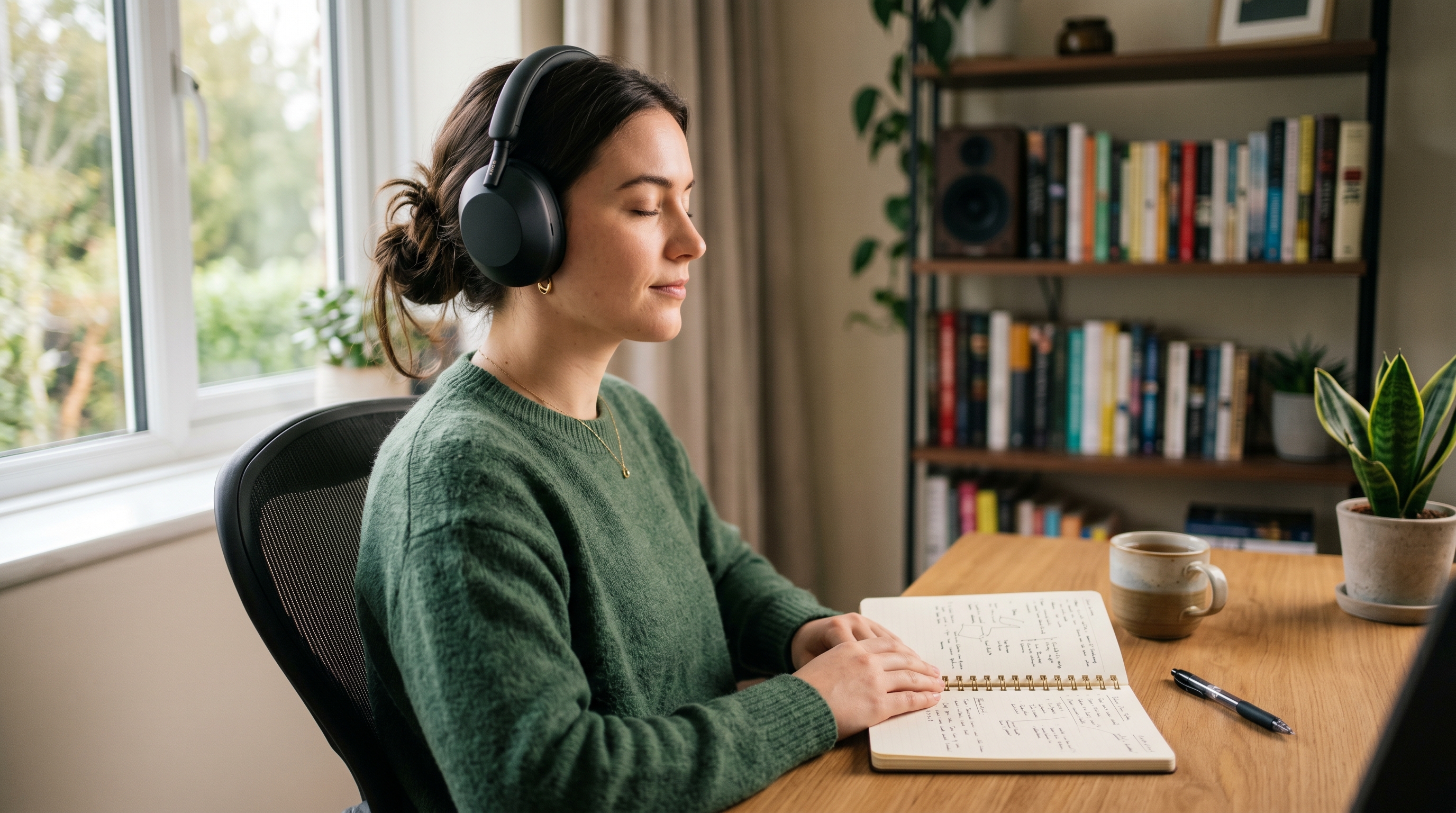
Stereo headphones required for correct channel separation of the binaural beats.
Week 1: The placebo effect was running hot. I felt "ready" to work, but that was likely because I had dedicated 17 minutes to sitting still and doing nothing—a rare luxury in the modern office. I didn't experience the "instant memory recall" promised in the sales video.
Week 2-3: I began to notice a pattern. On days I used the audio, I had fewer "distraction spikes." I didn't become hyper-intelligent, but I found it slightly easier to transition from high-dopamine activities (scrolling through emails or news) to low-dopamine, high-focus tasks (writing or coding).
Week 4: The novelty wore off. I found that the audio didn't provide a persistent "brain fog lift" once the file finished. If I skipped the session, I felt no different than I did on days I used it. The "results" were heavily dependent on the ritual of listening, rather than any lasting neurological remodeling.
Side Effects, Risks & Edge Cases
This isn't a supplement, so there are no chemical risks. However, don't ignore the physical reality of sound exposure. Listening to isochronic tones at high volumes—especially if the audio is poorly compressed—can cause ear fatigue or headaches.
If you suffer from photosensitive epilepsy or any neurological condition involving sound sensitivity, proceed with extreme caution. The Brain Song is designed to stimulate neural activity. While it's unlikely to trigger a seizure in the average person, it is irresponsible to ignore the potential for over-stimulation. If you feel dizzy or nauseated while listening, stop immediately. It’s not worth the risk for a minor boost in focus.
Head-to-Head — How It Compares
| Feature | The Brain Song (Reviewed) | Brain.fm | Free Binaural Tracks (YouTube) |
|---|---|---|---|
| Primary Mechanism | Static Audio Track | Adaptive AI | Static/Variable Tracks |
| Ease of Use | High (Play & Listen) | High (App-based) | Low (Ads, interruptions) |
| Cost | One-time ($39) | Subscription | Free |
| Personalization | None | High | Low |
| Refund Guarantee | 90-Day (ClickBank) | None | N/A |
The Brain Song wins decisively on the "one-time payment" front. Most high-quality competitors like Brain.fm lock you into monthly subscriptions, which adds up. If you are budget-conscious and want to test the effectiveness of entrainment without a monthly bleed, this is the better choice. However, if you want something that adapts to your needs (e.g., specific music for sleeping vs. deep work), the subscription apps are technically superior.
Usability — Setup, Daily Routine & Implementation
The usability is binary: it either plays or it doesn't. You need headphones. Don't try this through your laptop speakers; you won't get the required stereo separation for the binaural beats to work. The "platform" is just a basic digital download page. It’s functional but feels dated compared to a modern SaaS application. It is not "clunky," but it is as basic as digital products get.
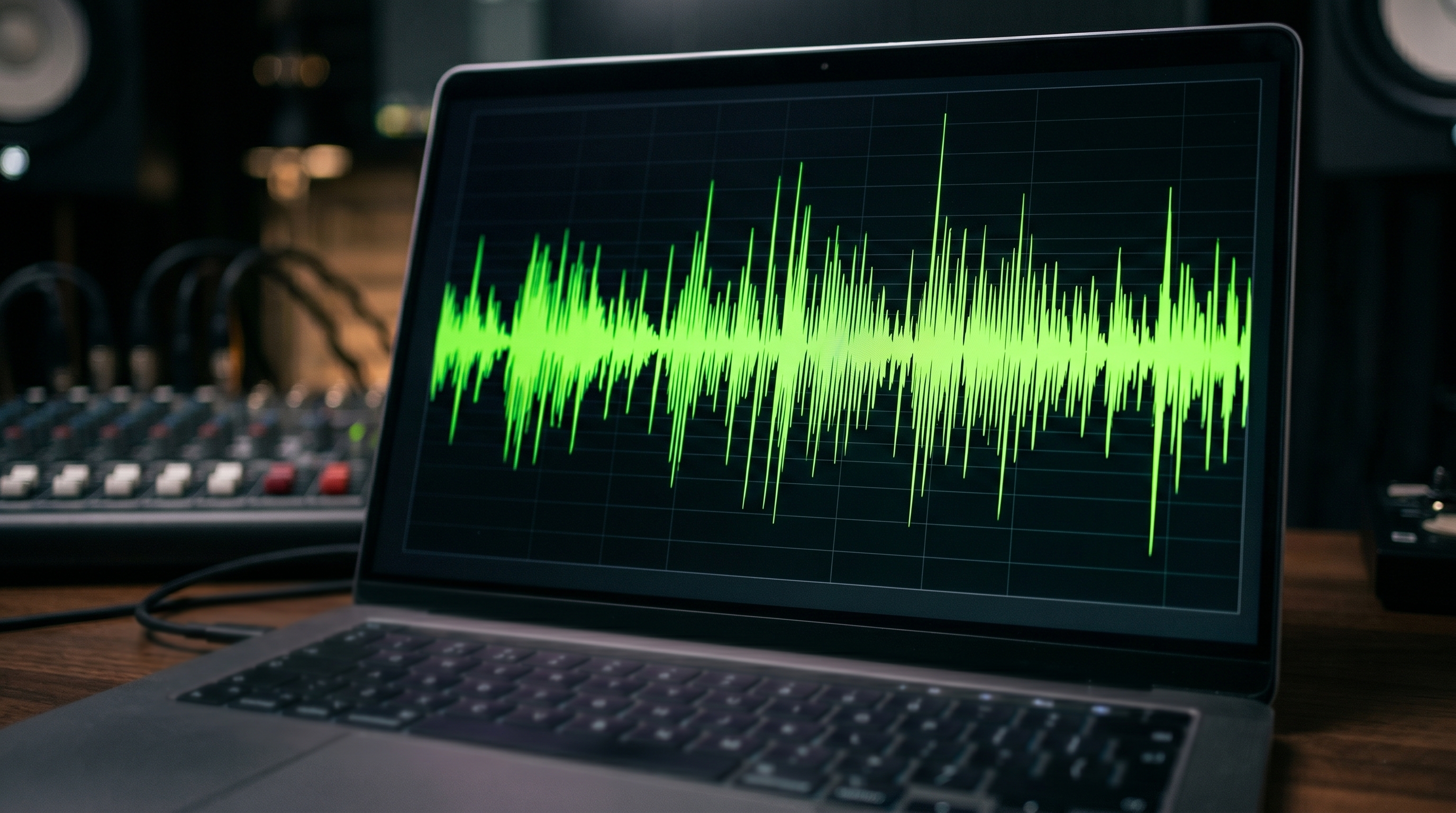
Macro visualization of the frequency modulation waves in the audio file.
Pros & Cons — The Honest Assessment
Pros
- No Subscriptions: You buy it once, you own the file forever. No recurring SaaS fees.
- Low Friction: Requires zero learning curve. You just press play and sit back.
- ClickBank Protection: The 90-day guarantee is robust and easy to trigger if you find it does nothing for you.
- Audio Engineering: The production quality is clean compared to free, distorted tracks online.
Cons
- Marketing Hyperbole: Exaggerated claims about NASA and memory miracles are purely for conversions.
- Requires Headphones: You cannot passive-listen through standard speakers and get the entrainment effect.
- Lack of Variety: The audio loop is static and does not evolve or adapt to your daily routine.
- No Peer-Reviewed Data: There are no specific clinical studies performed on this proprietary audio file.
Who Is This For? (and Who Should Look Elsewhere)
Ideal for:
- The "productivity hacker" who already has a good diet and sleep schedule and just needs a nudge to get into flow state.
- People who get annoyed by subscription apps and want a simple, offline audio file.
- Those who want to experiment with brainwave entrainment without investing in expensive neurofeedback equipment.
Look elsewhere if:
- You seek an ADHD cure: Do not rely on sound wave files to manage chronic cognitive or focusing conditions.
- You dislike synthetic noise: If repetitive synth loops irritate you, this track will likely trigger headaches instead of productivity.
Final Verdict & The Refund Policy
The Brain Song is a legitimate digital tool, but it is not the neurological breakthrough the sales pitch screams about. It is a well-crafted audio loop that helps a subset of users induce a state of focus. If you approach this as "an interesting audio tool to help me stop procrastinating" rather than "a medical device that fixes my brain," you will be satisfied.
Because it is sold through ClickBank, you have the 90-day money-back guarantee. If you use it for two weeks and notice absolutely zero change in your ability to focus, don't hesitate to request a refund. It is a digital product, so the return process is essentially a few clicks. If you are curious, the financial risk is low, provided you treat the marketing fluff with the skepticism it deserves.
Ready to Experience Flow State Focus?
Activate the authentic Brain Song protocol through the official ClickBank discount page below.
ACTIVATE THE BRAIN SONG TODAY *Reader-supported: We may earn a commission on purchases made through our link.Frequently Asked Questions
What is the optimal session duration?
The core track runs for 17 minutes. It is designed to be listened to in its entirety in a single sitting before commencing work.
Can I listen to The Brain Song while sleeping?
The program is engineered to stimulate active focus and Gamma brainwave states. Listening while sleeping is not recommended, as it will likely disrupt your sleep cycle.
Is the ClickBank refund policy immediate?
Yes, ClickBank handles customer service. You can request a refund within 90 days directly through their customer portal, and it is usually processed within 2-3 business days.
Affiliate Disclosure: Just Honest Reviews is reader-supported. When you buy through links on our page, we may earn an affiliate commission at no extra cost to you. Our team independently tests products to bring you the best recommendations.